
Fast Fashion in Nova Scotia
By Frankie Hayman, NSEN Journalism Volunteer
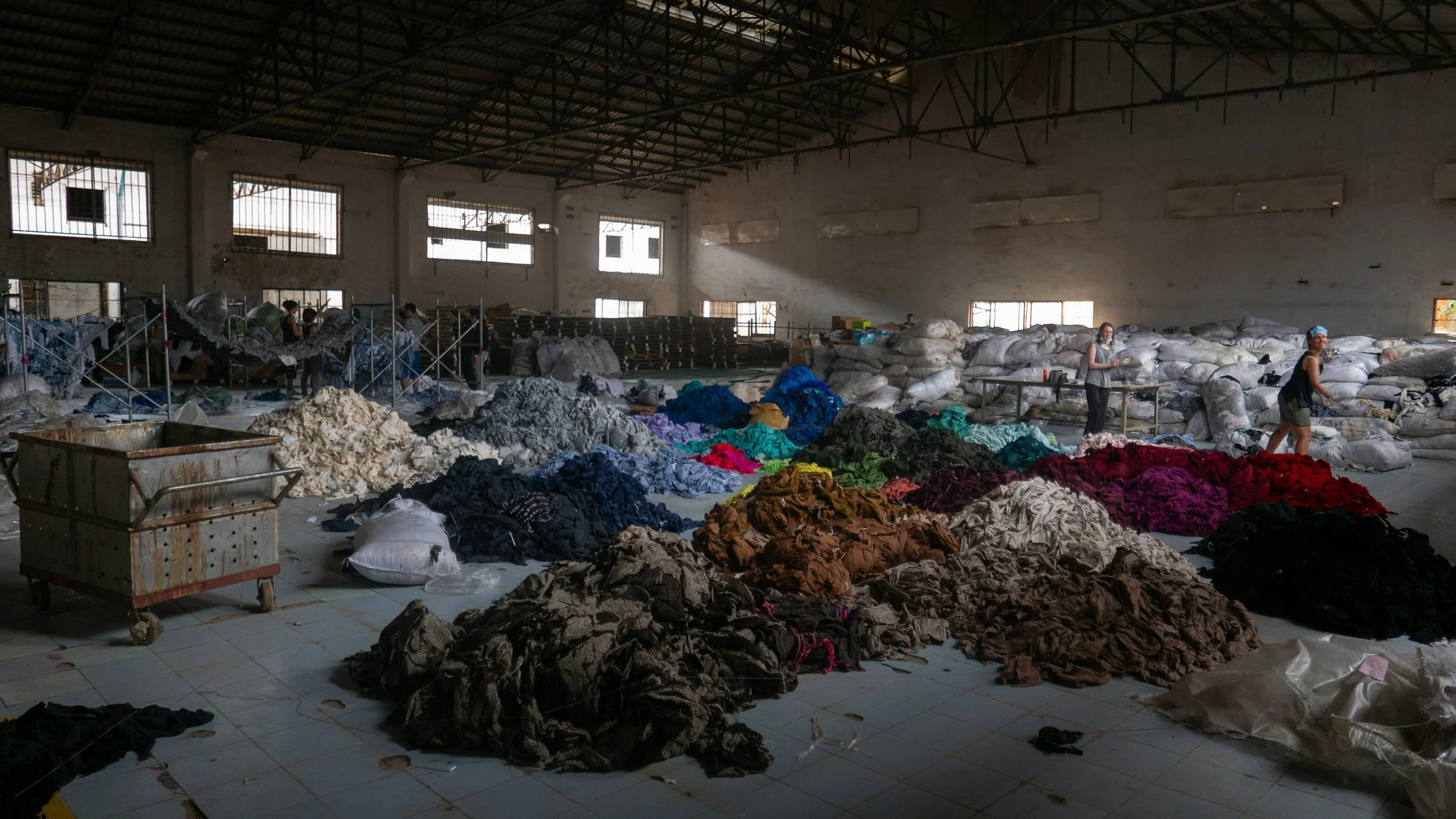
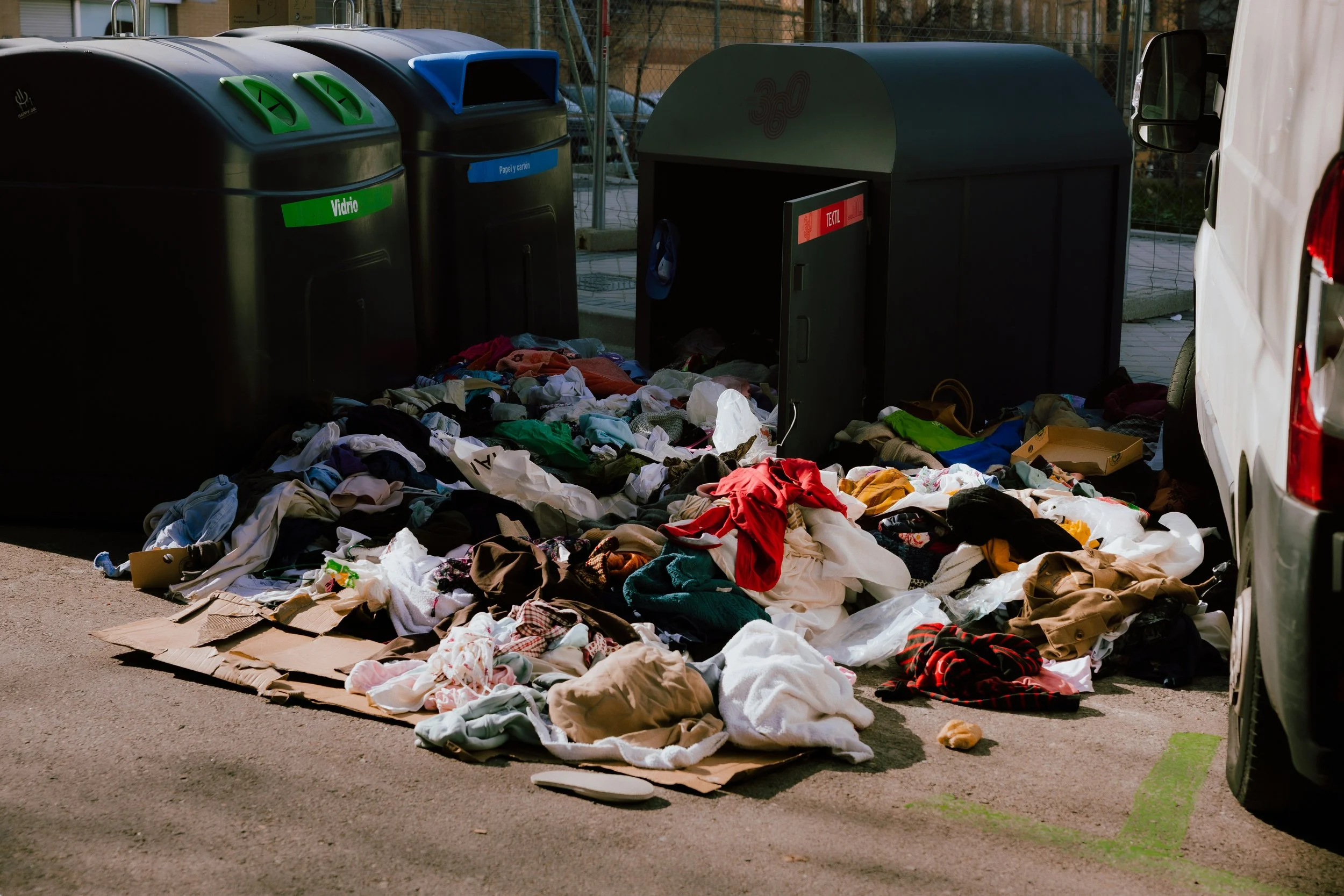
A polyester shirt purchased for a little more than the price of your daily coffee may only be worn a few times before being discarded, where it will likely live in a landfill for centuries. This is generally referred to as ‘fast fashion’, a global business model that produces mass amounts of clothing and encourages consumers to continuously purchase and discard garments. While it is a global issue, I’ll be focusing on how it affects Nova Scotia for the purpose of this article; specifically, our landfill composition, waste management strain, as well as exploring our rapidly rising textile disposal rates and possible solutions.
Summary of The Global Issue
Globally, textile production has accelerated alongside declining garment use. Around 100 billion garments are produced annually worldwide, and approximately 29 million tonnes of textile waste is generated each year. Of this waste, only 12% of textiles are recycled globally, while most end up landfilled or incinerated. Furthermore, the fashion industry produces 20% of global wastewater from dyeing and finishing processes.
Clothing consumption has also intensified. The average consumer now purchases significantly more garments than previous generations while wearing each item fewer times before disposal.
Environmental Impact in Nova Scotia
These global trends set the stage for Nova Scotia’s environmental burden. The volume of textile waste in Nova Scotia landfills increased by over 100% between 2017 and 2023.
Gratefully, Nova Scotia is one of the only Canadian provinces that regularly tracks textile waste in its landfill audits, offering detailed insight into clothing disposal patterns. According to Divert NS waste audits, textiles make up approximately 18% of Nova Scotia’s landfill waste stream, a striking figure considering how much of this material could be recycled, recovered, reused, or donated.
Burying garments in landfills has serious environmental implications. Many garments are made of synthetic fibres such as polyester and nylon; materials derived from fossil fuels that can take decades or even centuries to break down. Additionally, as they break down, they release microplastics into the ecosystem, which contribute to long-term soil and water contamination. When it comes to natural fibres and their decomposition, without proper oxygen exposure, they actually further intensify greenhouse gas production.
While Nova Scotia is lauded for our recycling system, including bottles, paper, and tires, we don’t actually have a developed textile recycling system. This is in part because fast fashion pollution is often invisible, unlike bottle pollution. People may not see microplastics in the water, shellfish, or ocean sediments, but they’re undoubtedly present, and the problem is only growing.
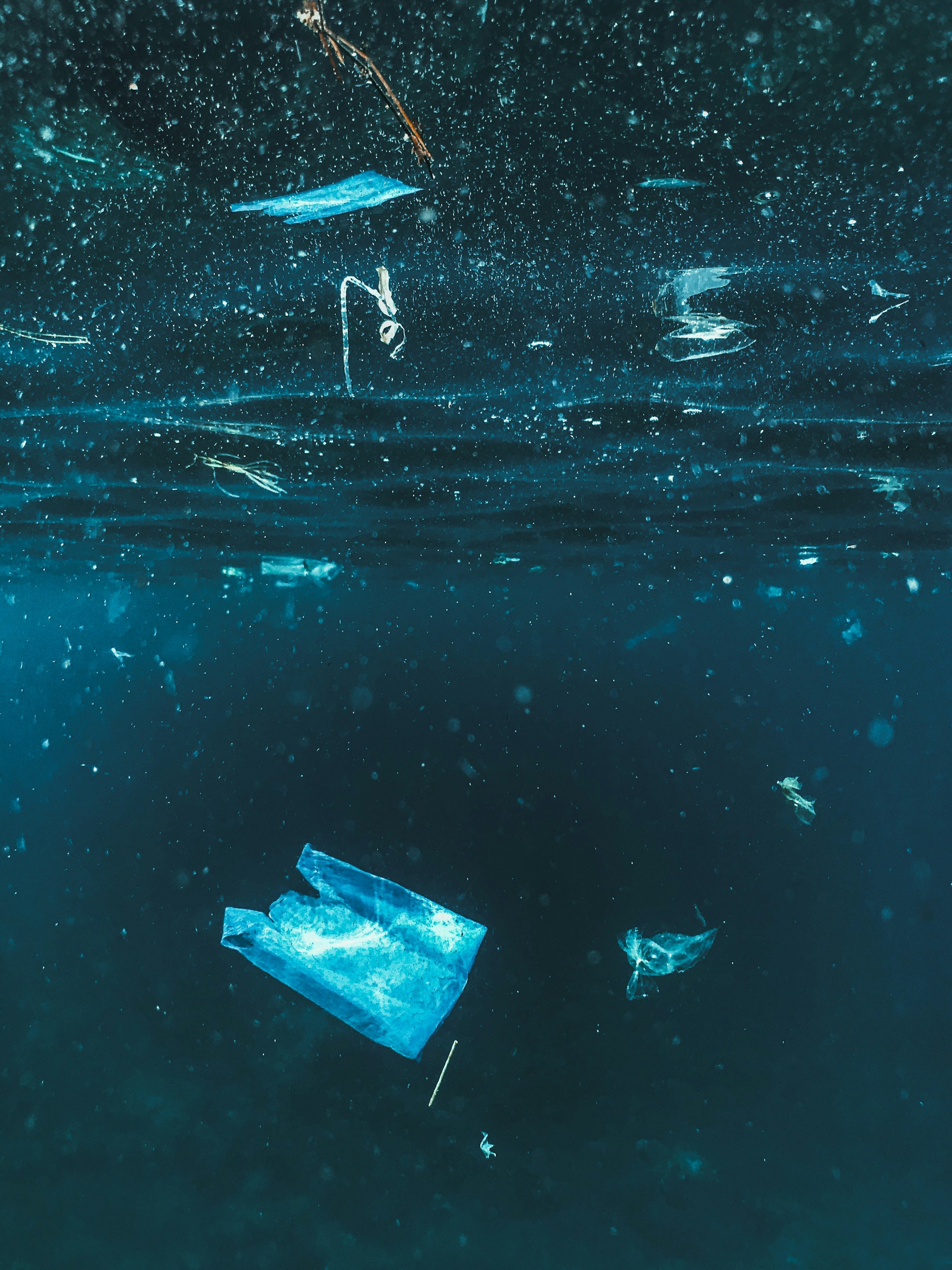
As a consequence of fast fashion, our clothing is increasingly produced using synthetic materials containing microplastics. So, looking beyond the landfills, washing these synthetic materials creates an even bigger concern for the ecosystem, especially in relation to our wastewater. That’s because when washing these synthetic materials, thousands or even millions of tiny fibres can detach from the garment in a single load. Many of these fibres are too small for wastewater treatment systems to filter out, and consequently, they enter Nova Scotian rivers, harbours and oceans.
Scientists have already found evidence of microplastics in Nova Scotia’s Marine environments, including sand, mussels, and even lobsters. Not all of the microplastic comes from textile waste, though it is still a significant factor. One with less than certain long-term ecological implications.
Possible Solutions
A systemic reform to textile recycling efforts is necessary in this world where fast fashion is rapidly increasing. Unfortunately, Nova Scotia doesn’t currently have the infrastructure to recycle clothing at an effective rate. That’s because true “fibre to fibre” recycling, where old clothes become entirely new clothes, is still relatively rare globally. Modern garments are often made from mixed fabrics that are difficult to separate, making the process expensive. That being said, countries like France, Sweden and the Netherlands heavily invest in repair and reuse networks. These networks are excellent models for what Nova Scotia could model as a long-term strategy.
The good news is that Nova Scotians can make a real difference by choosing alternatives to sending old clothing to the landfill. Some recycling-adjacent options include donating your clothing or downcycling garments into rags or other useful items. Choosing clothing made from natural materials is another way to help reduce wastewater pollution caused by synthetic fibres. While it is important to be the change you want to see in the world, this problem will only be significantly addressed when systematic action is taken.
Thankfully, Nova Scotians are some of the most environmentally conscious people with a great desire to protect nature’s natural beauty and ecosystems. We’ve already advanced recycling initiatives in several other areas, and as awareness is raised about fast fashion and its strain on our landfills and ecosystems, I’m optimistic steps will be taken to do the same with textiles.
References and Additional Resources
Divert NS:
https://divertns.ca/textiles?utm
Divert NS:
https://divertns.ca/wasteinnovascotia?utm
Textile Transformation in Nova Scotia (Research Report):
10 Concerning Fast Fashion Waste Statistics:
https://earth.org/statistics-about-fast-fashion-waste/?utm
EPR For Textiles in France:
https://www.ellenmacarthurfoundation.org/epr-for-textiles-in-france?utm
Why It’s Hard to Recycle Clothes:
https://www.washingtonpost.com/climate-solutions/2025/04/05/recycle-clothing-fast-fashion/?utm
Can Fashion Break Free from Its Addiction to Plastic:
https://www.vogue.com/article/fashion-plastic?utm
The Biggest Barrier to Textile Recycling? Disassembly:
https://www.vogue.com/article/the-biggest-barrier-to-textile-recycling-disassembly?utm
The Netherlands Rules for Reusing and Recycling Textiles
Quantifying shedding of synthetic fibers from textiles; a source of microplastics released into the environment:
https://link.springer.com/article/10.1007/s11356-017-0528-7?utm