
Food for Thought: Addressing Food Waste in Nova Scotia
By Jacqueline Steele, NSEN Volunteer and Board Member
Food waste: Understanding the problem
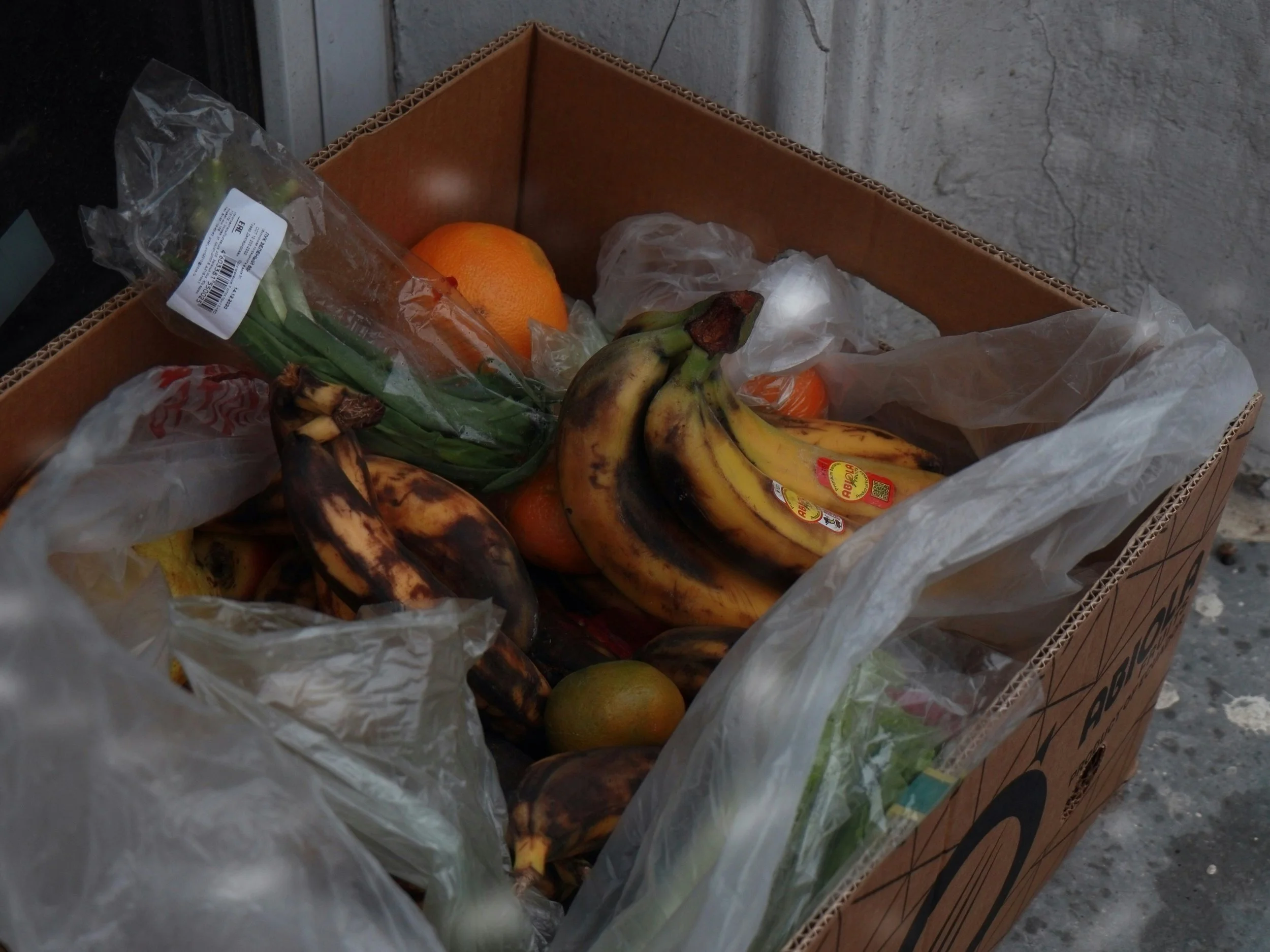
Food is something we all depend on, yet an enormous amount of it goes to waste every year. Food waste is more than just leftovers in the garbage; it represents wasted water, energy, land, labour, and money that went into producing, transporting, packaging, and preparing food. In Canada alone, an estimated 35.5 million metric tonnes of food are wasted annually, with avoidable food loss and waste costing the country approximately $49.5 billion per year (Gooch et al., 2019, as cited in Soma, 2022). Food waste also contributes to climate change, economic inefficiencies, and social inequality. When edible food is thrown away and ends up in a landfill, valuable resources are lost, and decomposing organic material can contribute to greenhouse gas emissions.
So, where does food waste begin? It is easy to think of food waste as something that happens in our refrigerators or when we scrape leftovers into the compost bin, but the problem starts much earlier in the food supply chain. Food can be lost during agricultural production, processing, transportation, and retail before it even reaches our homes. Grocery stores, in particular, play an important role in determining which foods make it onto our plates and which are discarded. Food may go unsold because of overstocking, spoilage, or strict expectations about the appearance and freshness of products. Although retailers can donate surplus food and divert scraps for composting or other uses, preventing waste before it happens is even better.
The good news is that food waste is a problem we can work together to address. While larger changes are needed across the food system, small, practical actions can make a difference in our homes and communities. By planning meals, using ingredients creatively, sharing surplus food with neighbours, and supporting efforts to reduce waste at grocery stores, we can help keep good food out of the garbage!
Solutions straight from the store
To combat food waste that occurs at grocery stores and restaurants, there have been apps emerging that sell leftover food or food that is close to going bad for a discounted price. Some of these include TooGoodToGo for leftover restaurant and convenience food, Flash Foods from Loblaws locations and Food Hero from Sobeys, as well as others. Take a look at the locations on the app and see what meals you can save from being discarded. Don’t see your go-to food place? Talk to them about joining the apps! Be mindful, however, that you actually eat the meal and don’t just buy it so it doesn’t go bad, only for it to sit in your fridge and then go bad!
Although food waste apps are slowly changing the game for preventing food waste in the grocery stores and restaurants, there have been studies showing that buying food online can also lead to higher amounts of food waste. According to Ilyuk (2018), online orders result in lower perceptions of purchase effort, which reduces the experiences of psychological ownership and, in turn, decreases consumers’ urgency of consuming purchased food items. Buying food in-store, if you can, is a great way to have a stronger connection to the food you purchase!
That said, to further strengthen your connection with the food you buy is to know where it all comes from! Visit local farmers' markets if you’re able to and have a conversation with farmers and other vendors. In doing so, you can make connections in your community by buying local, which is a fabulous way to reduce transportation-related emissions and to deepen your appreciation for the food that is going on your table.
On top of buying local, buying less is another great option for preventing food waste. While this might sound like a no-brainer, really think about the recent food purchases you have made recently. Have you fallen victim to variety packs? Buy a couple and get one free sale? Did you buy more than you realistically needed because you saw a deal? These are things to keep in mind next time you’re out. Also, planning meals ahead and sticking to a strict grocery list may be helpful for deterring you from these purposely very tempting deals!
Home-based solutions
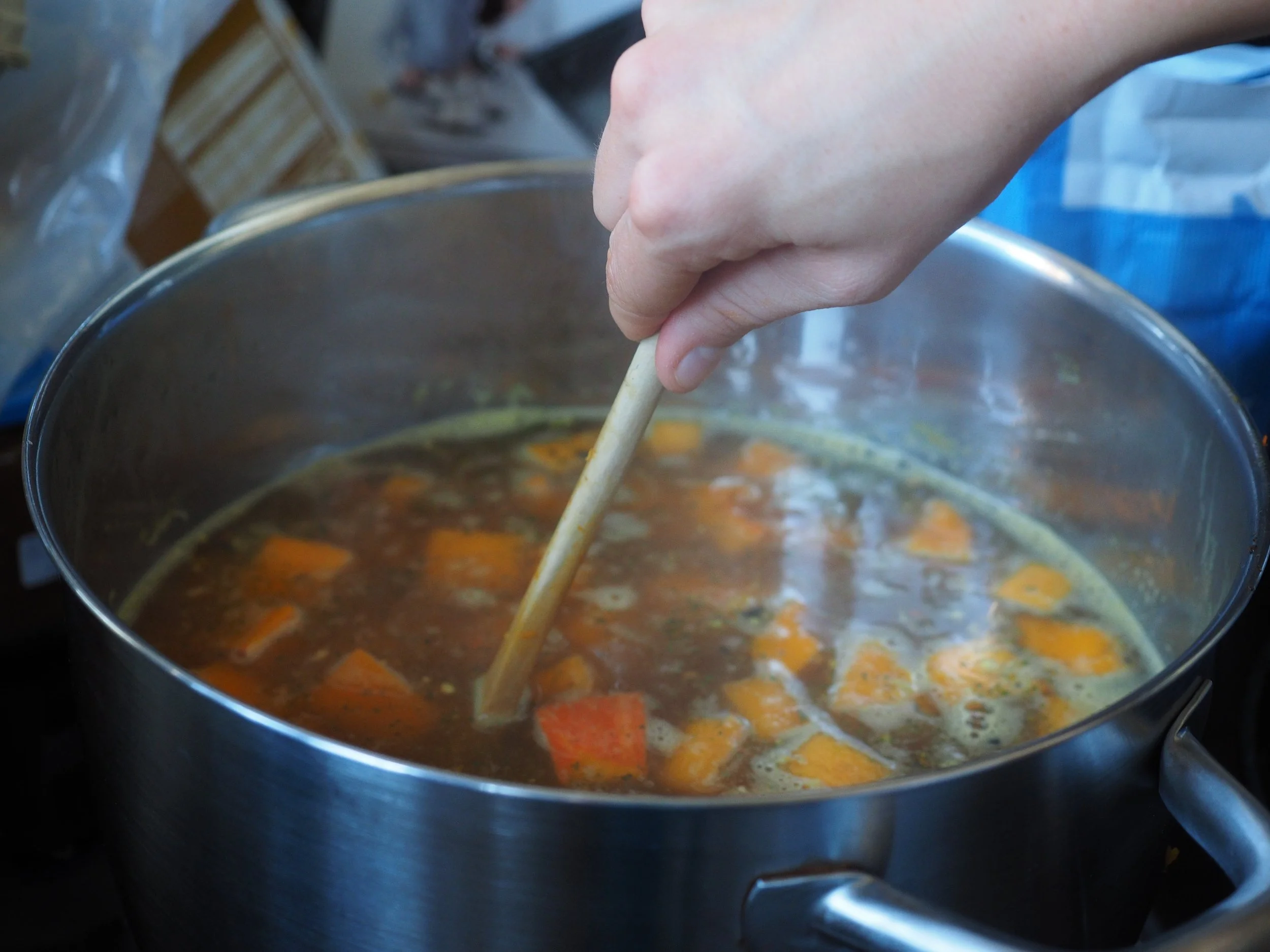
Often after making meals, there are lots of parts of the ingredients that go unused and ultimately go to waste. Instead of throwing them out, think about how you can give them a second life. Vegetable peels, bones, onion skins, carrot peels, and other leftover scraps can be used to make a flavourful broth! Not only are you saving these ingredients from going to waste; you’re getting another meal out of the same ingredients. Other options can be drinks, soups and sauces, croutons, etc., depending on your scraps!
If reusing ingredients for other recipes is not an option, try making compost! Some of the best things to compost are coffee grounds, eggshells, dry leaves, cut-up cardboard, vegetable peelings, and others. It is best to avoid oils and fats, bread, rice, pasta, dairy products, meat, nuts, coal, and others. Make sure to do your research before starting a compost for best results! Organic waste that ends up in landfills will decompose and produce methane when decomposing without oxygen. Methane is a very powerful greenhouse gas- it traps much more heat than carbon dioxide! With this in mind, consider starting a compost in your kitchen the next time you cook.
If you are feeling overwhelmed by these options, following people on social media who are experienced in reducing food waste on social media. Perhaps they may inspire you with a specific recipe or idea you would like to try. Carleigh Bodrug, who uses the username @plantyou on TikTok, has a series called Scrappy Cooking where she shares several recipes and tips to check out!
Sometimes trying to be creative or trying to achieve a goal is not as fun when you do it alone.
Community solutions
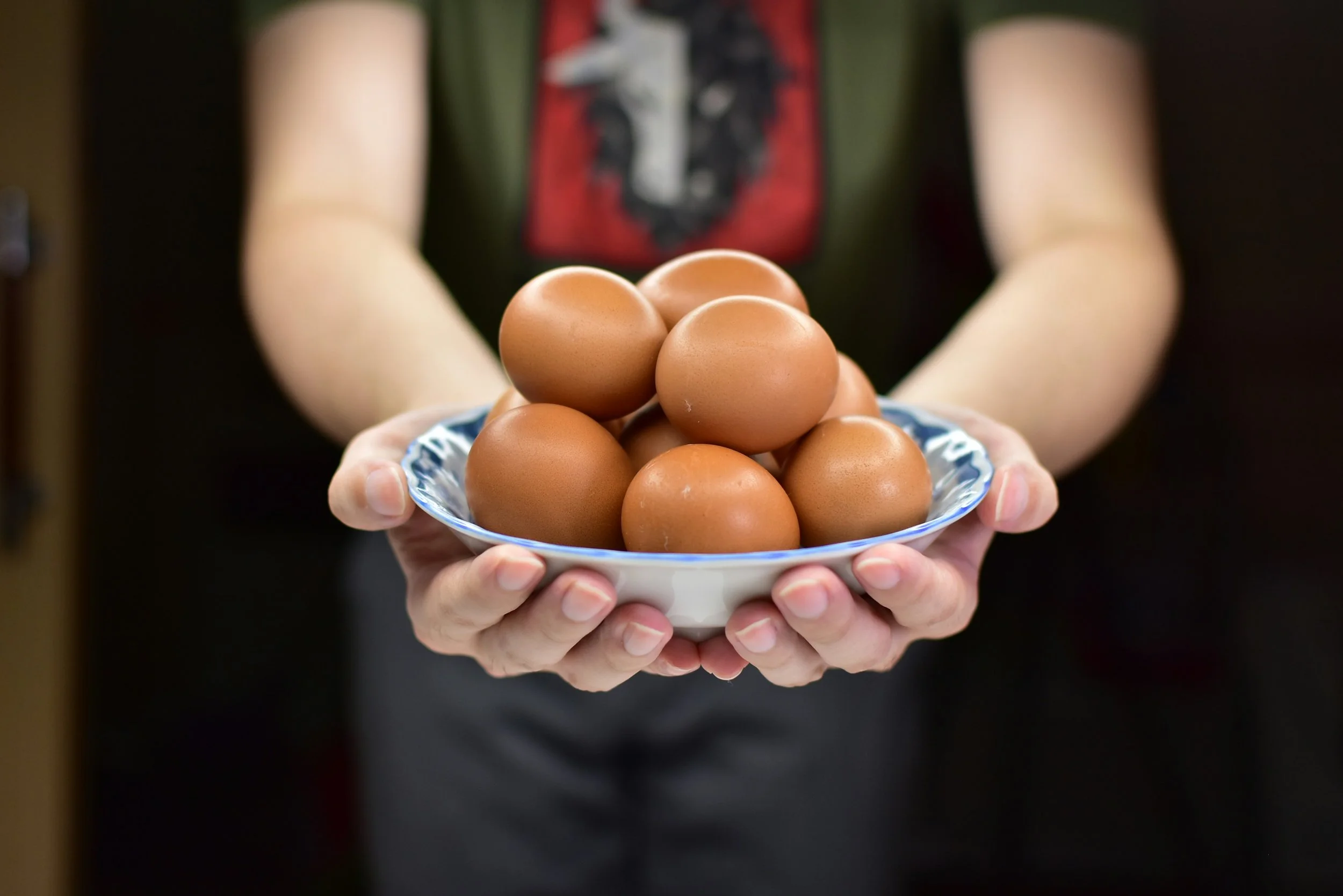
Try sharing extra food with your neighbours or trading ingredients with your friends! Start by setting small and realistic goals and get your friends/roommates involved to keep each other accountable and celebrate your progress. How much food can you save from being thrown out when you work together?
Final thoughts
Reducing food waste doesn’t have to happen overnight, and you don’t have to be perfect to make a difference! Whether you’re rescuing discounted food from your local grocery store, turning vegetable scraps into a delicious broth, starting a compost bin, or sharing extra ingredients with a neighbour, every small action helps. The key is to start somewhere, find what works for your lifestyle, and build habits that you can maintain over time.
Remember that food waste is not just an individual problem; it is also a community and systemic issue that requires changes throughout the food supply chain. While our personal choices matter, we can also encourage grocery stores, restaurants, and local organizations to take action and make reducing food waste easier for everyone. By sharing ideas, supporting local initiatives, and holding each other accountable, we can help create a culture that values food rather than treating it as disposable.
Your challenge: Choose just one food waste solution from this blog to try this week. Maybe you’ll freeze your leftover scraps for broth or share extra food with a friend. Start small, track how much food you save, and encourage someone else to join you to hold each other accountable!
The goal isn’t just to throw away less food; it’s to build a more sustainable relationship with what we eat, where it comes from, and the resources it takes to put it on our plates.
References and additional resources
https://foodwastefeast.com/recipes/2018/4/17/kitchen-scrap-vegetable-stock-or-meat-stock
https://davidsuzuki.org/living-green/how-to-get-the-most-from-your-food-scraps/
https://www.toogoodtogo.com/en-ca
https://davidsuzuki.org/living-green/composting-dos-and-donts/
https://www.tiktok.com/@plantyou
Ilyuk, V. (2018). Like throwing a piece of me away: How online and in-store grocery purchase channels affect consumers’ food waste. Journal of Retailing and Consumer Services, 41, 20–30. https://doi.org/10.1016/j.jretconser.2017.11.003
Soma, Tammara. “Critical Food Guidance for Tackling Food Waste in Canada: A Closed-Loop Food System Alternative to the Food Recovery Hierarchy Approach.” Canadian Food Studies / La Revue Canadienne Des Études Sur l’alimentation, vol. 9, no. 1, Apr. 2022, p., doi:10.15353/cfs-rcea.v9i1.490.